
Fish Oil (EPA and DHA)
Label nameFish oil concentrate, eicosapentaenoic acid (EPA), docosahexaenoic acid (DHA)
Also known asOmega-3 fatty acids, EPA, DHA, Marine omega-3s
Fish oil is a concentrated source of the long-chain omega-3 fats EPA and DHA. The body can make only small amounts of them from plant omega-3s, so oily fish and fish oil are the main dietary sources.
Last reviewed November 19, 2026 by the Modern Genetix Editorial Team. Not medical advice.
The short answer
EPA and DHA are omega-3 fats that are part of every cell membrane, with DHA concentrated in the brain and eyes [1]. A meta-analysis of placebo-controlled trials found EPA and DHA supplements lowered triglycerides in a dose-dependent way and modestly lowered blood pressure [2].
Quick facts
| Label name | Fish oil concentrate, eicosapentaenoic acid (EPA), docosahexaenoic acid (DHA) |
|---|---|
| Also known as | Omega-3 fatty acids, EPA, DHA, Marine omega-3s |
| Category | Fatty acids & oils |
| Role in formulas | Key active |
| Research tier | ClinicalHuman clinical trials or systematic reviews of trials, or an NIH fact sheet summarizing them. |
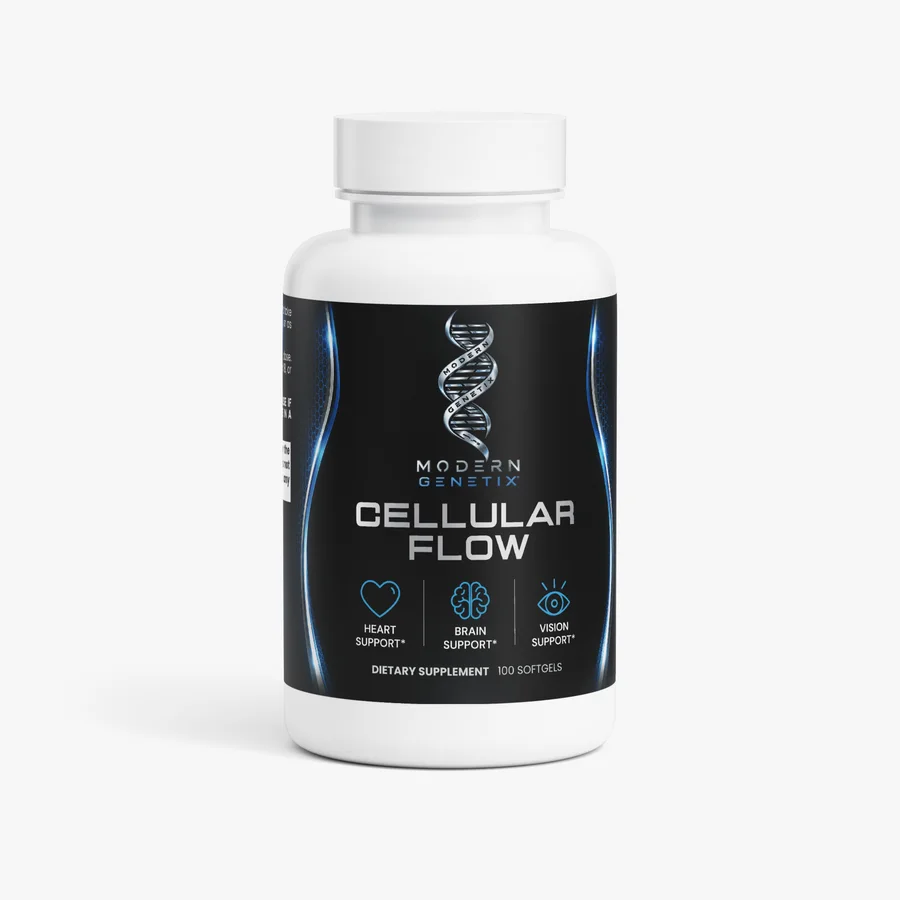
| Found in | Cellular Flow |
| Amount per serving | Cellular Flow: 1,000 mg |
What the research says
Cellular Flow delivers 1,000 mg of fish oil concentrate per softgel, providing 180 mg of EPA and 120 mg of DHA, with vitamin E added to protect the oil from oxidation. The suggested use is one softgel twice daily with meals.
The NIH Office of Dietary Supplements explains that EPA and DHA are structural parts of cell membranes and precursors to signaling molecules, and that most people in the United States get them mainly from seafood [1].
A 2018 meta-analysis of randomized, placebo-controlled, blinded trials found EPA and DHA supplements lowered triglycerides, with a larger effect at higher doses, and modestly lowered blood pressure and an inflammatory marker. It also noted small increases in both LDL and HDL cholesterol [2].
NCCIH notes that omega-3 supplements lower triglycerides and that results for other heart-related outcomes have been mixed [3]. Research suggests fish oil is a useful way to fill a gap for people who eat little oily fish.
Evidence at a glance
| Source | Design | What it found |
|---|---|---|
| NIH ODS fact sheet | Evidence summary | EPA and DHA are structural fats; seafood is the main source [1] |
| AbuMweis et al., 2018 | Meta-analysis of blinded RCTs | Dose-dependent triglyceride lowering; modest blood pressure lowering [2] |
| NCCIH (NIH) | Evidence summary | Lowers triglycerides; other outcomes mixed [3] |
Studies vs label doses
At the suggested two softgels a day, Cellular Flow provides 360 mg EPA and 240 mg DHA (600 mg combined). Triglyceride effects in trials were larger at higher doses [2].
| Product | As listed on the label | Per serving |
|---|---|---|
| Cellular Flow | Fish oil concentrate (EPA 180 mg, DHA 120 mg) | 1,000 mg |
Where it appears
Fish Oil (EPA and DHA) is in 1 Modern Genetix formula.
Who it may suit, and who should ask first
May suit
- Adults who eat oily fish less than twice a week
- People looking for daily heart and brain nutrition support
Ask a clinician first if you
- Have a fish or shellfish allergy
- Take blood thinners or have a bleeding disorder
- Have a scheduled surgery
Safety
Omega-3 supplements can cause side effects such as an unpleasant taste, bad breath, heartburn or digestive upset [3]. Taking Cellular Flow with meals, as directed, is a common way to reduce them. Cellular Flow contains fish (sardines, anchovies).
FAQ
Which Modern Genetix products contain Fish Oil?
Cellular Flow: 1,000 mg.
How much EPA and DHA is in Cellular Flow?
Each softgel provides 180 mg EPA and 120 mg DHA from 1,000 mg of fish oil concentrate. Two softgels a day provide 600 mg combined.
Why is vitamin E in a fish oil softgel?
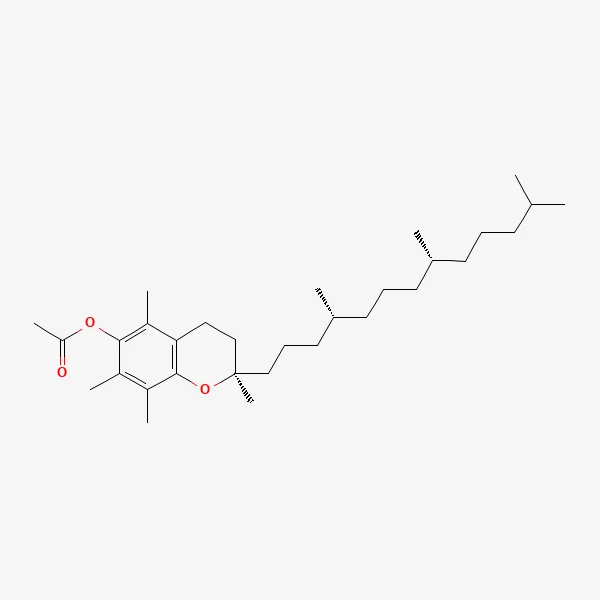
Vitamin E is a natural antioxidant that helps protect omega-3 oils from oxidation.
What fish is the oil from?
The label lists sardines and anchovies.
How strong is the research on Fish Oil?
We rate it Clinical. Human clinical trials or systematic reviews of trials, or an NIH fact sheet summarizing them.
Bottom line
EPA and DHA are among the best studied supplements for triglycerides and everyday heart nutrition. Cellular Flow keeps it simple: concentrated fish oil, protected with vitamin E.
Related ingredients


References
- NIH Office of Dietary Supplements. Omega-3 Fatty Acids - Health Professional Fact Sheet. ods.od.nih.gov/factsheets/Omega3FattyAcids-HealthProfessional/
- AbuMweis et al. Eicosapentaenoic acid and docosahexaenoic acid containing supplements modulate risk factors for cardiovascular disease: a meta-analysis of randomised placebo-control human clinical trials. J Hum Nutr Diet. 2018. PubMed 28675488 · doi:10.1111/jhn.12493
- National Center for Complementary and Integrative Health (NIH). Omega-3 Supplements: What You Need To Know. www.nccih.nih.gov/health/omega3-supplements-what-you-need-to-know
Sources were checked by the Modern Genetix Editorial Team on November 19, 2026. Links open PubMed, the publisher DOI or NIH.