
Berberine
Label nameGranular Berberine Hydrochloride Extract 8% (bark/root) and 97% (bark)
Also known asBerberine HCl, Berberine hydrochloride
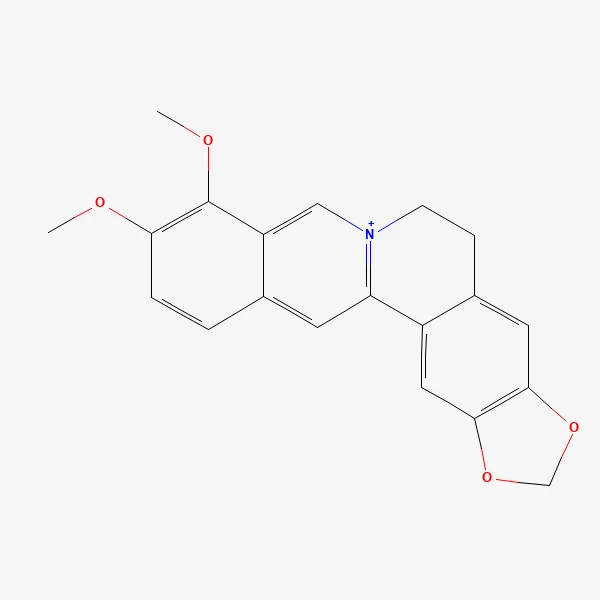
Berberine is a bright yellow plant compound found in the bark and roots of plants such as barberry, goldenseal and Indian barberry. It has been part of traditional Chinese and Ayurvedic practice for more than 2,000 years.
Last reviewed November 19, 2026 by the Modern Genetix Editorial Team. Not medical advice.
The short answer
Laboratory research shows berberine acts on several metabolic targets, including AMPK, an enzyme that helps regulate energy use [1]. A meta-analysis of randomized trials found berberine supported healthier blood sugar and lipid markers, mostly in adults with existing metabolic concerns, so results may not apply to everyone [2].
Quick facts
| Label name | Granular Berberine Hydrochloride Extract 8% (bark/root) and 97% (bark) |
|---|---|
| Also known as | Berberine HCl, Berberine hydrochloride |
| Category | Botanicals & adaptogens |
| Role in formulas | Key active |
| Research tier | ClinicalHuman clinical trials or systematic reviews of trials, or an NIH fact sheet summarizing them. |
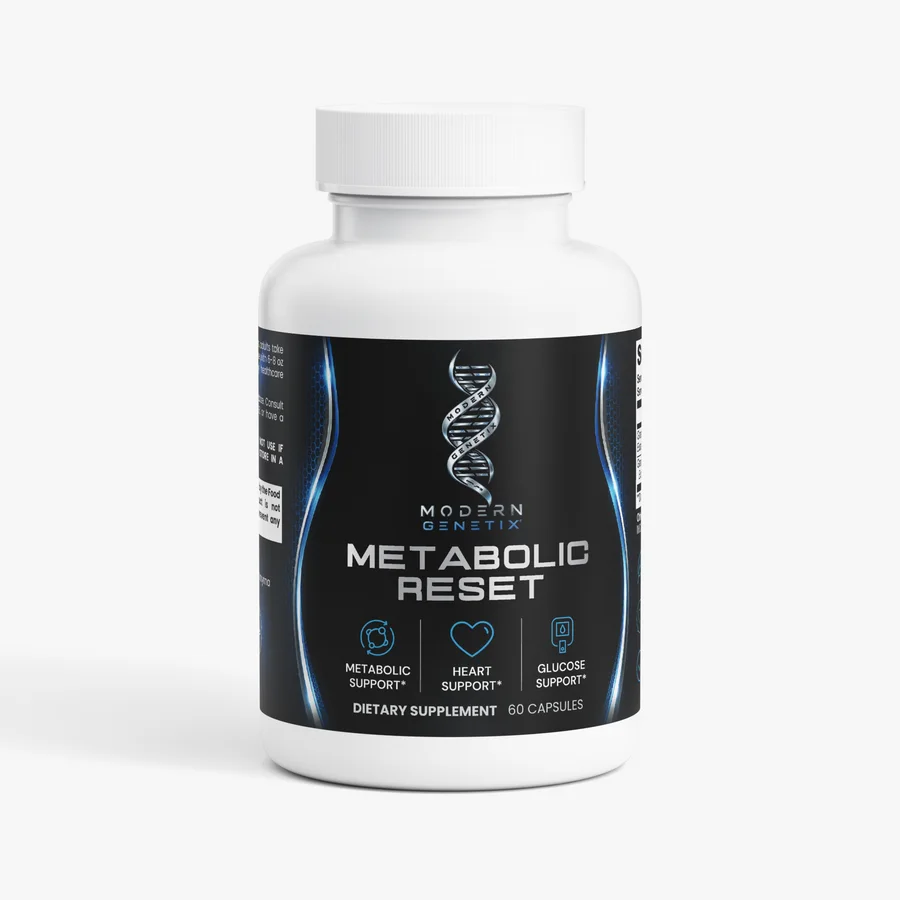
| Found in | Metabolic Reset |
| Amount per serving | Metabolic Reset: 790 mg Metabolic Reset: 10 mg |
| PubChem | CID 2353 (Berberine) |
What the research says
Metabolic Reset contains 800 mg of berberine hydrochloride extracts per 2-capsule serving: 790 mg standardized to 8% and 10 mg standardized to 97%. It is designed to fit a routine built on real food, training and sleep.
A 2019 review describes molecular targets of berberine identified in basic and translational research, including AMPK, SIRT1 and the LDL receptor, which are involved in how the body handles glucose and lipids [1].
A 2021 systematic review and meta-analysis of randomized trials found berberine improved fasting glucose, HbA1c and blood lipids in adults with high blood sugar, especially when used alongside standard care [2]. These were people with existing metabolic conditions, so the findings describe research populations rather than a promise for healthy users.
Research suggests berberine supports healthy glucose metabolism. Pharmacokinetic research also shows berberine is not easily absorbed from the gut, which is an active area of formulation research [3].
Evidence at a glance
Studies vs label doses
Metabolic Reset lists 800 mg of berberine hydrochloride extract per serving: 790 mg at 8% and 10 mg at 97%. By those standardizations, the label works out to roughly 73 mg of berberine hydrochloride per serving. Clinical trial doses vary, so use the label figures when you compare products or talk with your clinician.
| Product | As listed on the label | Per serving |
|---|---|---|
| Metabolic Reset | Granular Berberine Hydrochloride Extract 8% (bark/root) | 790 mg |
| Metabolic Reset | Granular Berberine Hydrochloride Extract 97% (bark) | 10 mg |
Where it appears
Berberine is in 1 Modern Genetix formula.
Who it may suit, and who should ask first
May suit
- Adults who want metabolic support alongside diet and exercise
Ask a clinician first if you
- Take blood sugar medicines, blood thinners, cyclosporine or other prescription medicines
- Are pregnant or nursing (berberine is not considered safe in pregnancy)
- Have liver problems or low blood sugar
Safety
Berberine commonly causes digestive side effects such as constipation, diarrhea or cramping, and it can interact with many medicines because it affects drug-metabolizing enzymes [4]. Ask your clinician before combining it with prescription medicines.
FAQ
Which Modern Genetix products contain Berberine?
Metabolic Reset: 790 mg; Metabolic Reset: 10 mg.
How much berberine is in Metabolic Reset?
The Supplement Facts panel lists 800 mg of berberine hydrochloride extracts per 2-capsule serving: 790 mg standardized to 8% and 10 mg standardized to 97%.
What does the percentage on a berberine extract mean?
It is the share of the extract that is berberine hydrochloride. An 8% extract contains 8 mg of berberine per 100 mg of extract.
Can I take berberine with medicines?
Ask your clinician first. Berberine can interact with many medicines [4].
How strong is the research on Berberine?
We rate it Clinical. Human clinical trials or systematic reviews of trials, or an NIH fact sheet summarizing them.
Bottom line
Berberine has a large research base for metabolic markers, mostly in people with existing conditions. Metabolic Reset lists its extracts and standardizations clearly so you can see exactly what is inside.
Related ingredients
References
- Feng et al. Berberine in Cardiovascular and Metabolic Diseases: From Mechanisms to Therapeutics. Theranostics. 2019. PubMed 31037148 · doi:10.7150/thno.30787
- Guo et al. The Effect of Berberine on Metabolic Profiles in Type 2 Diabetic Patients: A Systematic Review and Meta-Analysis of Randomized Controlled Trials. Oxid Med Cell Longev. 2021. PubMed 34956436 · doi:10.1155/2021/2074610
- Ye et al. Neuropharmacological and pharmacokinetic properties of berberine: a review of recent research. J Pharm Pharmacol. 2009. PubMed 19589224 · doi:10.1211/jpp/61.07.0001
- National Center for Complementary and Integrative Health (NIH). Goldenseal: Usefulness and Safety. www.nccih.nih.gov/health/goldenseal
Sources were checked by the Modern Genetix Editorial Team on November 19, 2026. Links open PubMed, the publisher DOI or NIH.