
Melatonin
Label nameMelatonin
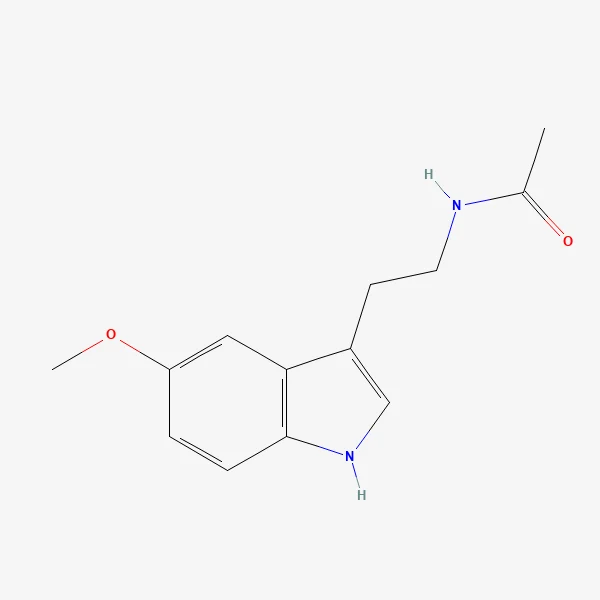
Also known asN-acetyl-5-methoxytryptamine
Melatonin is a hormone your brain's pineal gland releases as it gets dark. It acts as a timing signal for the body clock rather than a sedative, which is why light exposure and timing matter as much as the dose.
Last reviewed November 19, 2026 by the Modern Genetix Editorial Team. Not medical advice.
The short answer
Meta-analyses of randomized trials show melatonin modestly shortens the time it takes to fall asleep and slightly increases total sleep time, with a dose-response analysis finding benefits rose up to about 4 mg a day [1],[2]. Short-term use appears safe for most adults [3].
Quick facts
| Label name | Melatonin |
|---|---|
| Also known as | N-acetyl-5-methoxytryptamine |
| Category | Amino acids & compounds |
| Role in formulas | Key active |
| Research tier | ClinicalHuman clinical trials or systematic reviews of trials, or an NIH fact sheet summarizing them. |
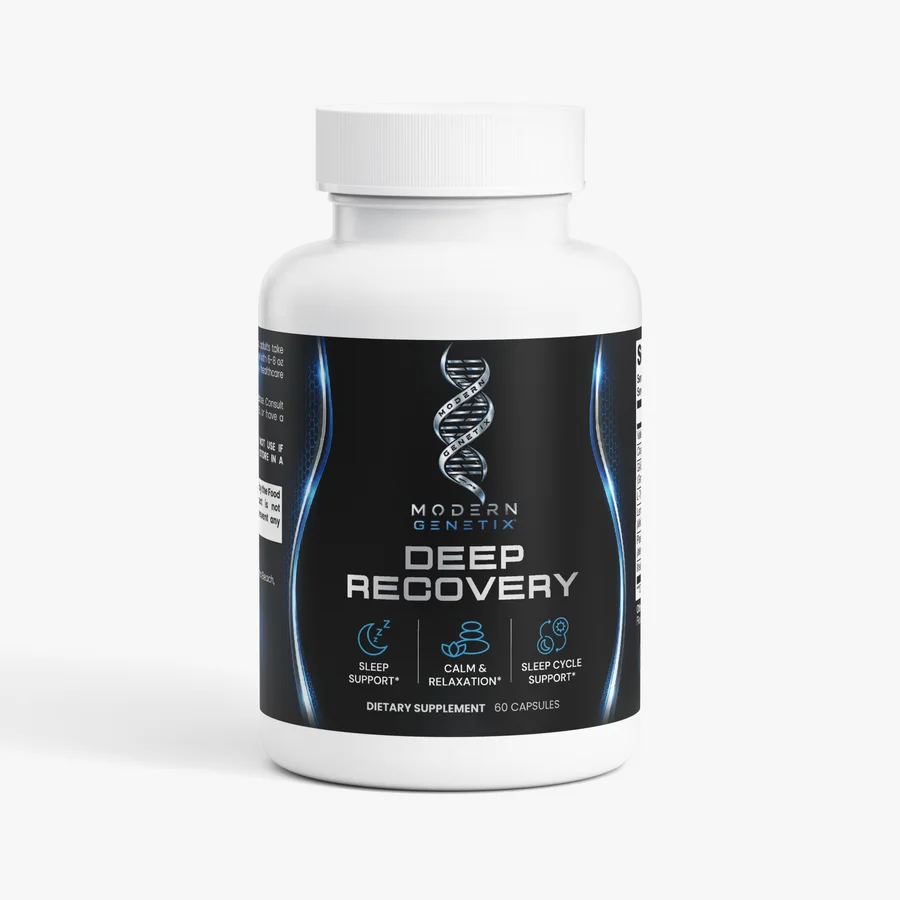
| Found in | Deep Recovery |
| Amount per serving | Deep Recovery: 2 mg |
| PubChem | CID 896 (Melatonin) |
What the research says
Deep Recovery includes 2 mg of melatonin per serving, a moderate amount that supports the body's own nighttime signal alongside calming botanicals.
A 2013 meta-analysis found melatonin decreased the time to fall asleep, increased total sleep time and improved overall sleep quality compared with placebo. The effects were modest but did not fade with continued use, and the side-effect profile was relatively benign [1].
A 2024 systematic review and dose-response meta-analysis of randomized trials found melatonin gradually shortened sleep onset and increased total sleep time, with the effect peaking around 4 mg a day, and suggested that taking it about 3 hours before the desired bedtime may work better than the common 30-minute habit [2].
NCCIH notes that melatonin appears helpful for jet lag and shifted sleep schedules and that short-term use is generally safe, while long-term safety is less studied [3].
Evidence at a glance
Studies vs label doses
Trials commonly use 0.5 to 5 mg, with a dose-response peak near 4 mg a day [2]. Deep Recovery provides 2 mg.
| Product | As listed on the label | Per serving |
|---|---|---|
| Deep Recovery | Melatonin | 2 mg |
Where it appears
Melatonin is in 1 Modern Genetix formula.
Who it may suit, and who should ask first
May suit
- Adults whose sleep timing drifts, such as after travel or late nights
- People who want a modest melatonin dose inside a broader formula
Ask a clinician first if you
- Are pregnant, nursing or under 18
- Take blood thinners, blood pressure medicines, sedatives or immune-suppressing medicines
- Have an autoimmune or seizure condition
Safety
Possible side effects include headache, dizziness, nausea and daytime sleepiness [3]. Avoid driving after taking melatonin.
FAQ
Which Modern Genetix products contain Melatonin?
Deep Recovery: 2 mg.
How much melatonin is in Deep Recovery?
2 mg per 2-capsule serving.
When should I take melatonin?
Research suggests taking it before your intended bedtime, with some evidence that earlier timing helps [2]. Follow the label directions.
Will I build a tolerance to melatonin?
Studies have not shown a strong tolerance effect in short-term use, but long-term data are limited [3].
How strong is the research on Melatonin?
We rate it Clinical. Human clinical trials or systematic reviews of trials, or an NIH fact sheet summarizing them.
Bottom line
Melatonin has solid trial support for modestly helping people fall asleep sooner. Deep Recovery uses a measured 2 mg dose as one piece of its nighttime stack.
Related ingredients
References
- Ferracioli-Oda et al. Meta-analysis: melatonin for the treatment of primary sleep disorders. PLoS One. 2013. PubMed 23691095 · doi:10.1371/journal.pone.0063773
- Cruz-Sanabria et al. Optimizing the Time and Dose of Melatonin as a Sleep-Promoting Drug: A Systematic Review of Randomized Controlled Trials and Dose-Response Meta-Analysis. J Pineal Res. 2024. PubMed 38888087 · doi:10.1111/jpi.12985
- National Center for Complementary and Integrative Health (NIH). Melatonin: What You Need To Know. www.nccih.nih.gov/health/melatonin-what-you-need-to-know
Sources were checked by the Modern Genetix Editorial Team on November 19, 2026. Links open PubMed, the publisher DOI or NIH.